Caribbean Lobster Season Closure: Why Protecting the Spiny Lobster Matters for the Ocean
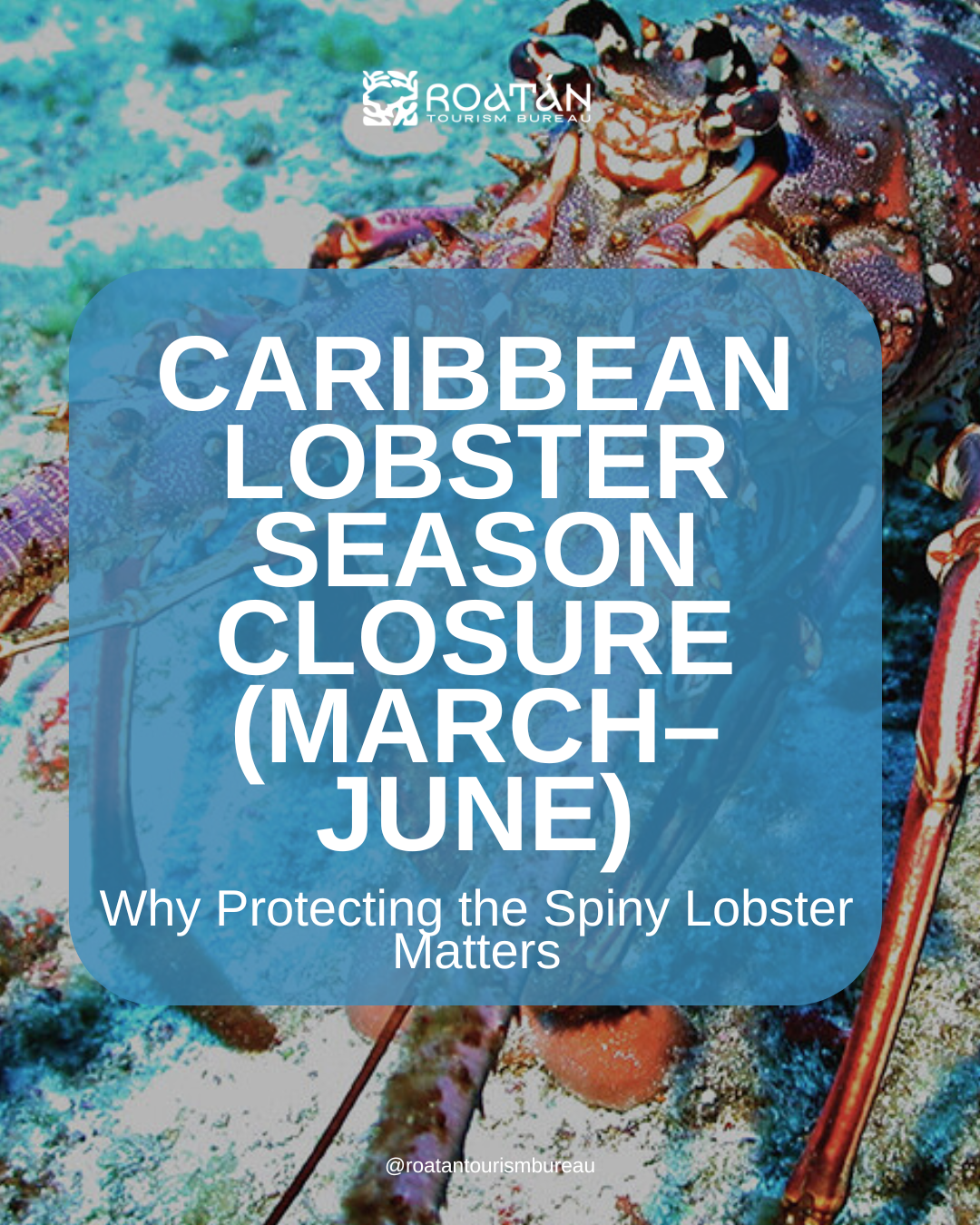

Every year, the Caribbean implements an important conservation measure to protect one of its most valuable marine species. From March 1 to June 30, the Caribbean lobster season closes, establishing a period known as the lobster fishing ban or “veda de langosta.”
This seasonal closure protects the Caribbean Spiny Lobsyer, allowing it to complete its reproductive cycle and ensuring that lobster populations remain healthy for future generations.
Understanding the importance of this closure helps protect marine ecosystems, support sustainable fisheries, and safeguard the livelihoods of coastal communities across the Caribbean.
What Is the Caribbean Lobster Season Closure?
The lobster closure is a temporary prohibition on fishing activities involving the Caribbean spiny lobster. During this period, several activities are strictly prohibited, including:
Capturing lobsters
Transporting lobsters
Selling lobsters
Serving or consuming lobsters
These measures apply specifically to the Caribbean Spiny Lobster, the most commercially important lobster species in the Caribbean Sea.
The purpose of the ban is to protect lobsters during one of their most critical biological stages: reproduction.
Why the Caribbean Spiny Lobster Needs Protection
The Caribbean Spiny Lobster plays a vital ecological and economic role throughout the Caribbean region. Unlike some species that reproduce year-round, spiny lobsters have peak reproductive months when females produce and carry eggs.
During this time:
Females carry thousands of eggs beneath their tails.
Lobsters migrate to specific habitats to reproduce.
Juvenile populations begin to develop.
If lobsters are harvested during this reproductive phase, entire generations of future populations can be lost, leading to rapid declines in the species.
Supporting Sustainable Fisheries
Seasonal fishing closures are one of the most effective tools for sustainable fisheries management. By allowing lobster populations time to reproduce and grow, the closure helps ensure that fishing remains viable in the long term.
When fishermen respect the closure:
Lobster populations remain stable.
Marine ecosystems stay balanced.
Future harvest seasons remain productive.
This balance is essential for many coastal communities whose economies depend heavily on fishing and seafood industries.
Protecting Marine Ecosystems
The Caribbean Spiny Lobster is not only valuable commercially—it also plays a crucial ecological role within coral reef ecosystems.
Spiny lobsters help maintain the balance of marine environments by:
Controlling populations of smaller marine organisms
Supporting reef biodiversity
Contributing to healthy coral reef food webs
Protecting lobsters during their breeding season helps maintain the overall health of Caribbean marine ecosystems.
Respecting the Ocean’s Natural Cycles
The lobster closure is about more than regulations—it is about respecting the natural rhythms of the ocean.
By protecting lobsters during this reproductive period, conservation efforts help ensure that:
Lobsters can reproduce successfully
Juvenile populations can mature
Marine biodiversity remains strong
Healthy oceans support not only wildlife but also tourism, fisheries, and the cultural heritage of Caribbean coastal communities.
A Shared Responsibility
Respecting the lobster fishing ban from March 1 through June 30 is a collective responsibility shared by fishermen, restaurants, businesses, and visitors.
Protecting the Caribbean Spiny Lobster today ensures that future generations can continue to enjoy the rich marine resources of the Caribbean.
Because protecting the ocean also means respecting its cycles.