Commemorating the Arrival of the Garifuna in Roatán, Honduras
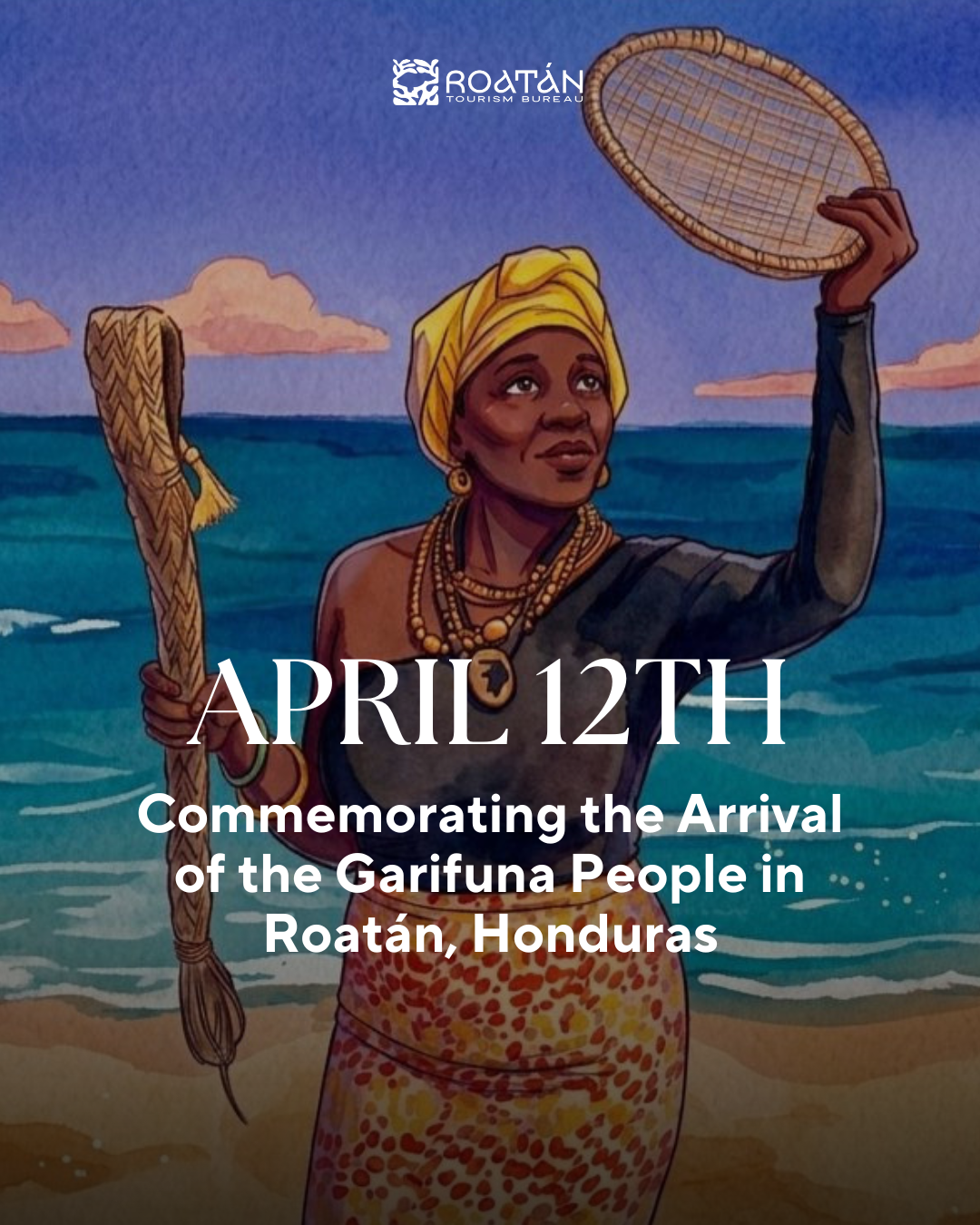
April 12 marks a significant date in the history of Roatán and Honduras: the arrival of the Garifuna people, an African-Caribbean-Indigenous community whose journey embodies resilience, cultural fusion, and survival. Roatán was the first place in Honduras where the Garifuna established settlements after being forcibly exiled from their homeland in Saint Vincent in 1797. This historic event laid the foundation for a vibrant culture that continues to thrive along the Caribbean coast of Central America.
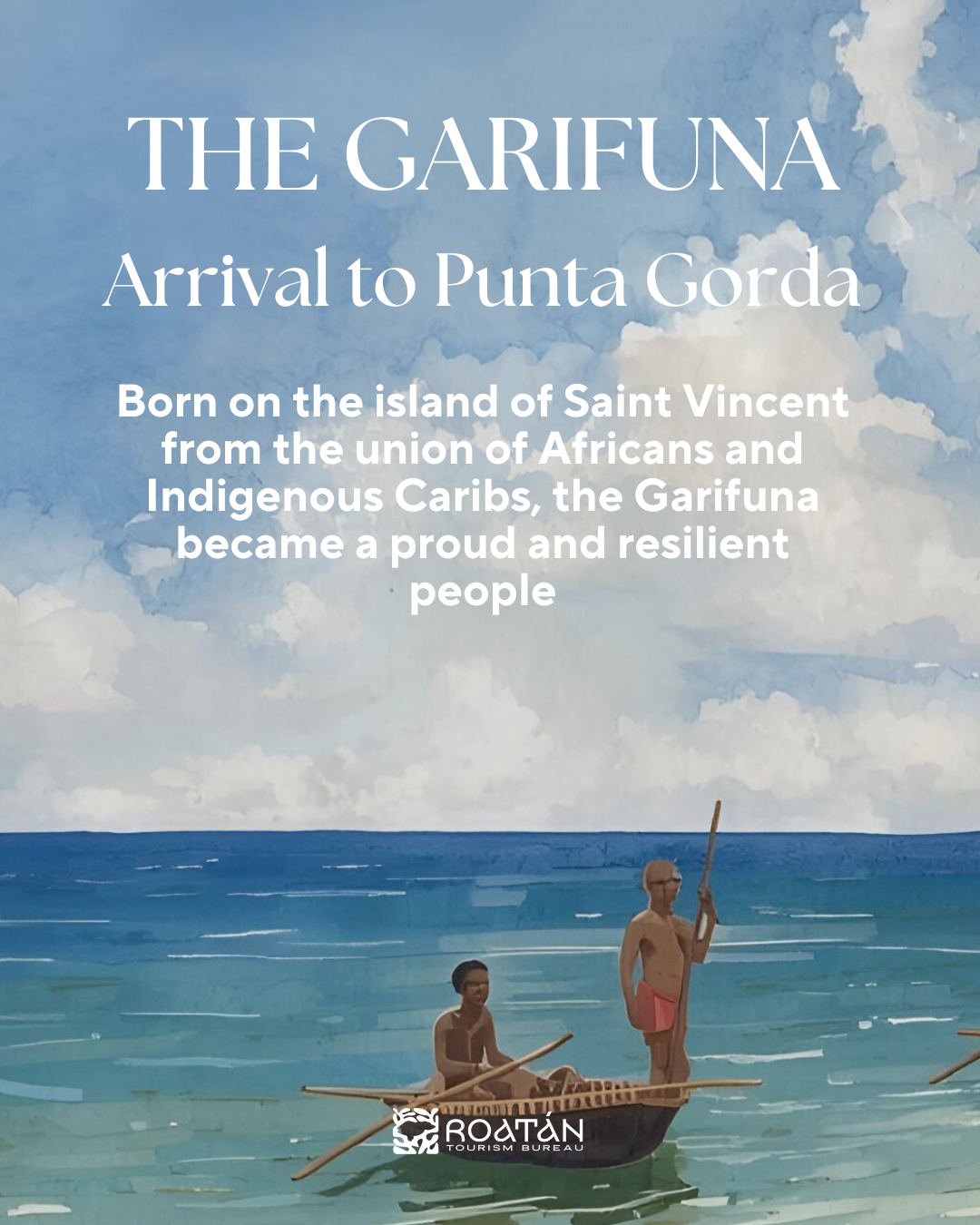
The Garifuna, also historically known as “Black Caribs,” are an admixed population of African, Native American, and some European ancestry. Their origins trace back to the 17th century on the island of Saint Vincent, where shipwrecked Africans and escaped slaves joined the indigenous Carib populations. This union formed a unique community whose identity combined the languages, agricultural practices, and customs of both African and Caribbean heritage. By the mid-18th century, the Garifuna had become a formidable community, resisting European colonization until their eventual forced exile by the British after the Caribbean Wars of 1795–1796.
The Journey from Saint Vincent to Roatán
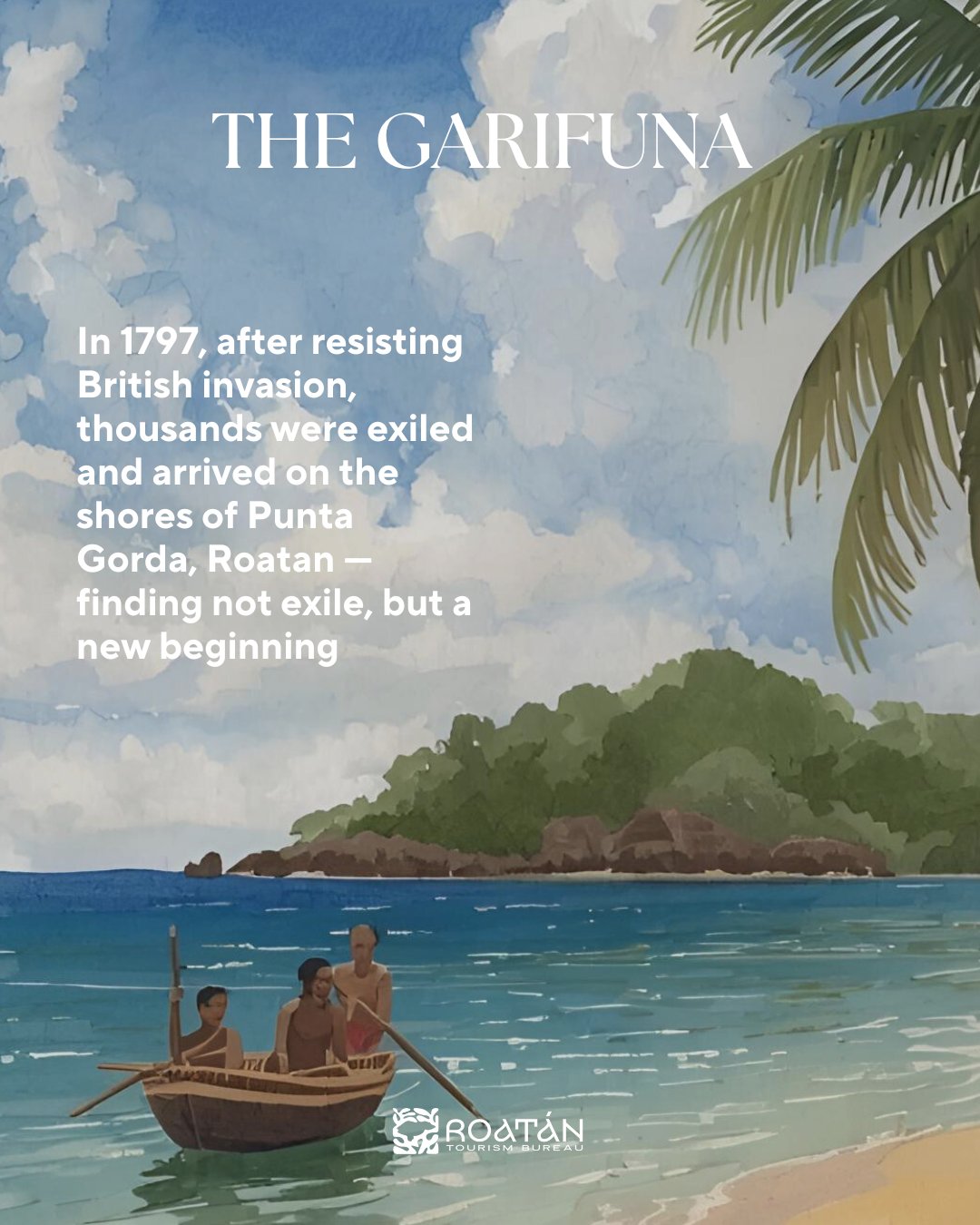
In 1797, following their defeat in the wars, the British forcibly deported the Garifuna from Saint Vincent. Initially held on the small island of Balliceaux, nearly half of the population perished due to disease, starvation, and harsh conditions. On April 11, 1797, approximately 2,080 survivors were transported to Roatán, the largest of the Bay Islands off the northern coast of Honduras. Upon arrival, the Garifuna encountered a small Spanish fort and garrison. The interaction was largely peaceful, as the Garifuna leaders assured the Spanish authorities that they posed no threat, agreeing to remain under colonial oversight while establishing new villages on the island.
The first settlements were concentrated around Port Royal and Punta Gorda. The Garifuna quickly adapted to the island’s environment, cultivating cassava, fishing, and constructing canoes for transportation and trade. Their communities were intentionally matrifocal, with women playing central roles in maintaining households, culture, and language—a structure that allowed the community to preserve its traditions while integrating into the new environment.
Cultural Resilience and Legacy
Garifuna settlements were built to promote communal cohesion and cultural continuity. Villages were strategically located near freshwater sources and the sea, providing both sustenance and transportation routes. Public spaces, family compounds, and community activities allowed socialization, skill-sharing, and intergenerational learning. Rituals, dance, and celebrations honored ancestors and reinforced the values of unity and survival.
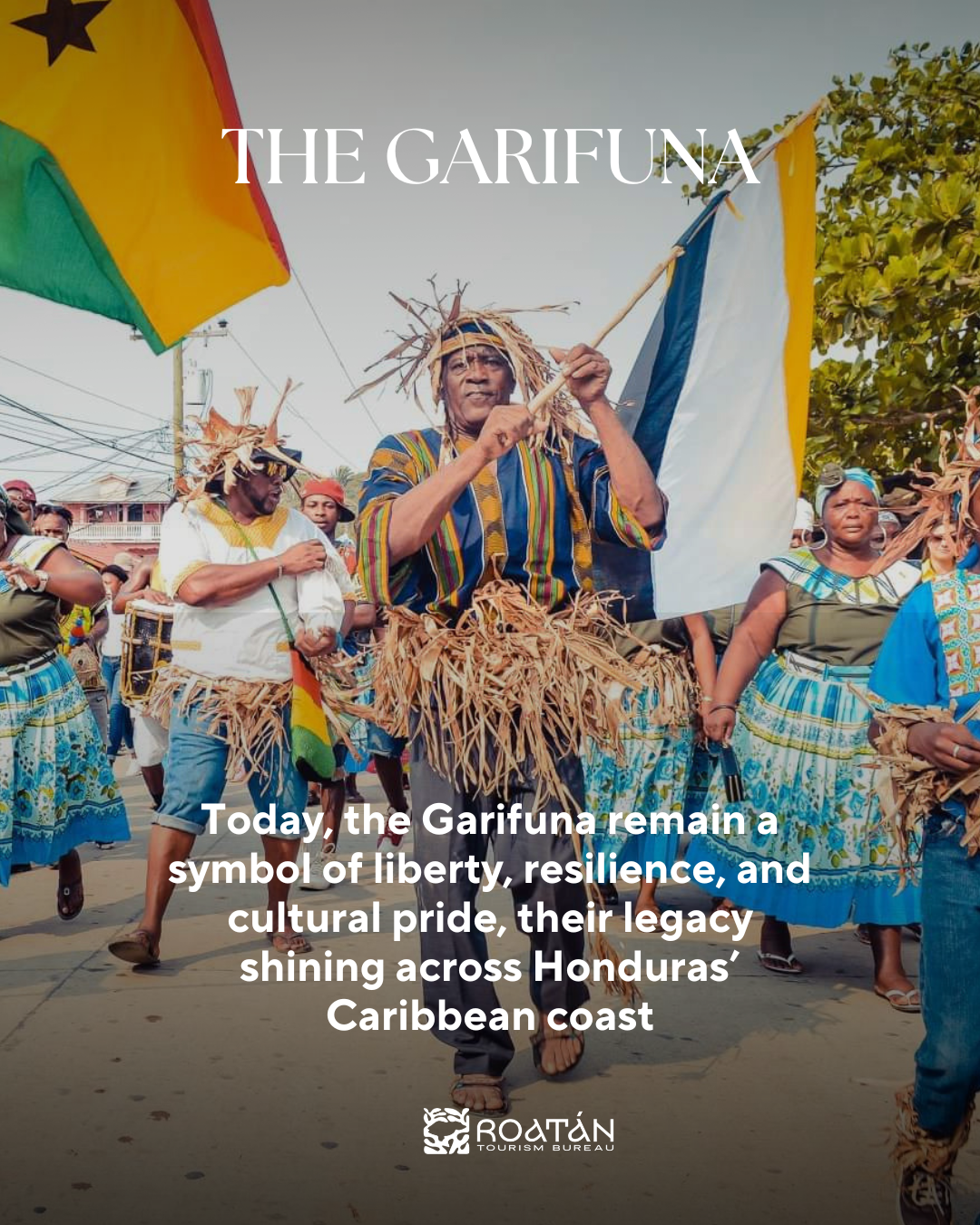
This rich cultural heritage continues to define the Garifuna identity in Honduras and throughout Central America. Today, the Garifuna population spans the Caribbean coasts of Honduras, Belize, Guatemala, and Nicaragua. They celebrate their history and resilience annually, particularly on April 12, honoring the memory of those who survived the exile and the cultural contributions that continue to thrive across generations.
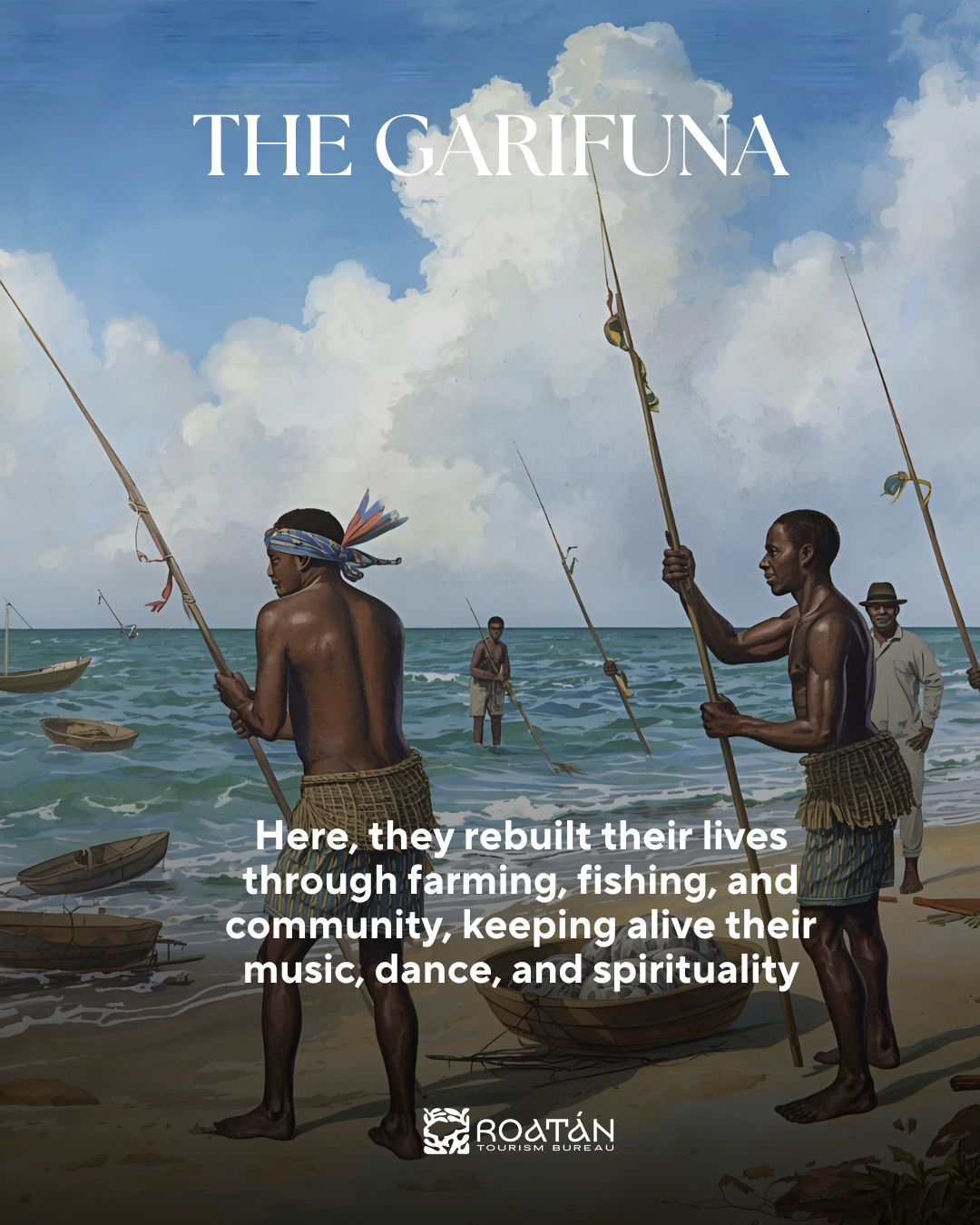
Honoring the Garifuna in Roatán
Roatán holds a special place in Garifuna history as the first Honduran settlement for this remarkable community. Each year, commemorative events celebrate their arrival, culture, and enduring legacy. These events highlight traditional music, dance, cuisine, and storytelling, connecting both locals and visitors to the island’s unique historical narrative. The day serves as a reminder of the Garifuna’s survival, and the role they played in shaping the cultural landscape of Roatán and the wider Caribbean coast.
As April 12 approaches, Roatán invites the world to reflect on the remarkable journey of the Garifuna people—a story of endurance, cultural richness, and a community that transformed adversity into a thriving legacy that continues to inspire generations.