Why Garífuna Culture May Be Roatán’s Greatest Tourism Advantage
The Global Tourism Industry Is Changing
For decades, Caribbean tourism was largely defined by a familiar formula: beaches, resorts, cruise ships, and predictable tropical experiences. Destinations competed through luxury amenities, all-inclusive packages, and postcard-perfect imagery. While those elements still matter, traveler behavior is evolving quickly.
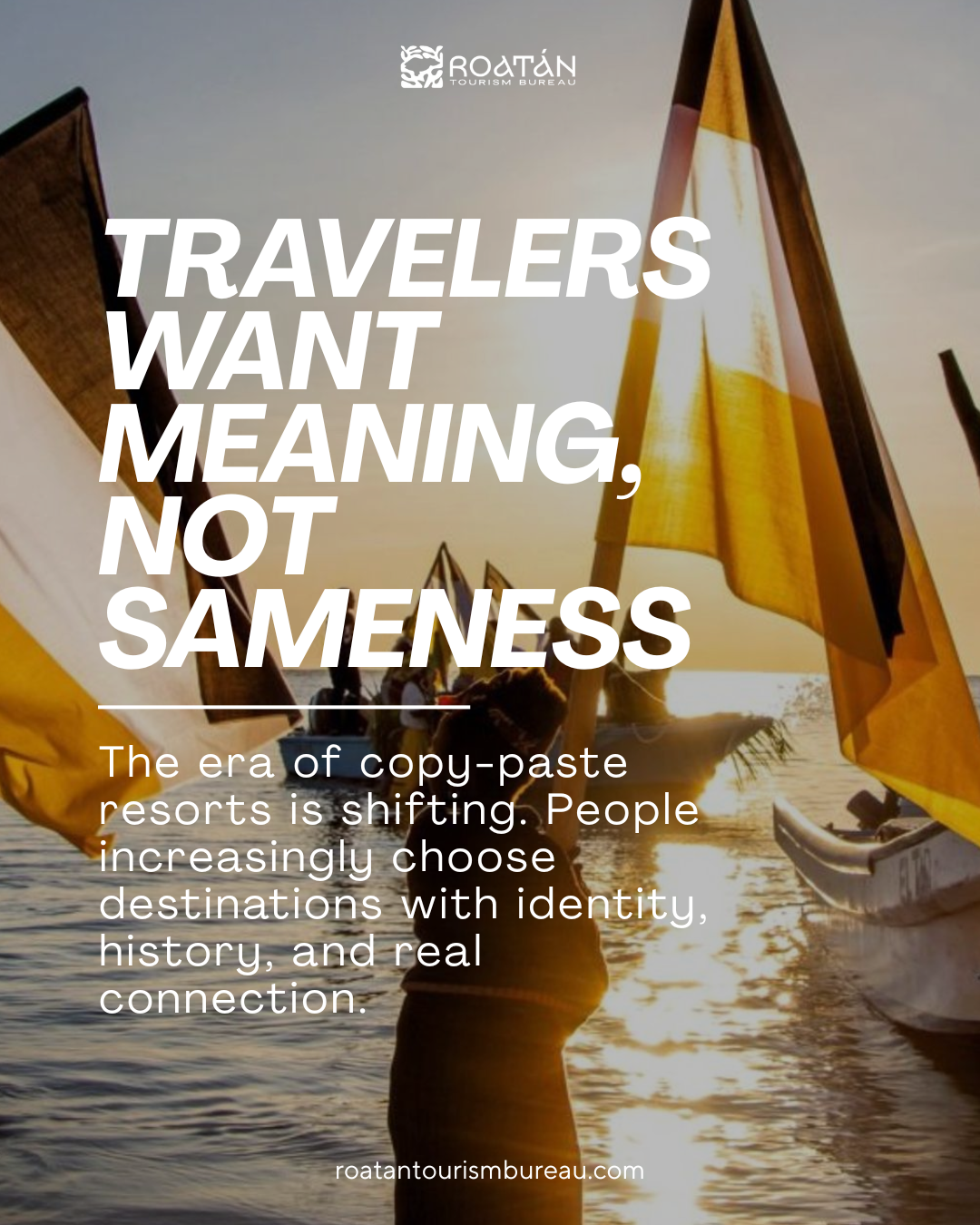
Today’s traveler is increasingly motivated by meaning rather than convenience. Around the world, tourists are no longer satisfied with destinations that feel interchangeable. Instead, they are searching for places that offer something rooted, personal, and culturally distinctive.
This shift is reshaping tourism globally. Travelers are seeking connection over consumption, story over spectacle, and authenticity over standardization. In a world where many destinations can offer white sand beaches and turquoise water, cultural identity becomes one of the strongest competitive advantages.
For Roatán, this creates a major opportunity.
The island already possesses something that many destinations attempt to manufacture but cannot replicate: a living cultural identity deeply connected to place, history, community, and tradition.
The Rise of Authentic Cultural Travel
One of the strongest trends emerging across global tourism is the rise of cultural immersion. Travelers increasingly want to understand where they are, who lives there, and what stories shape the destination.
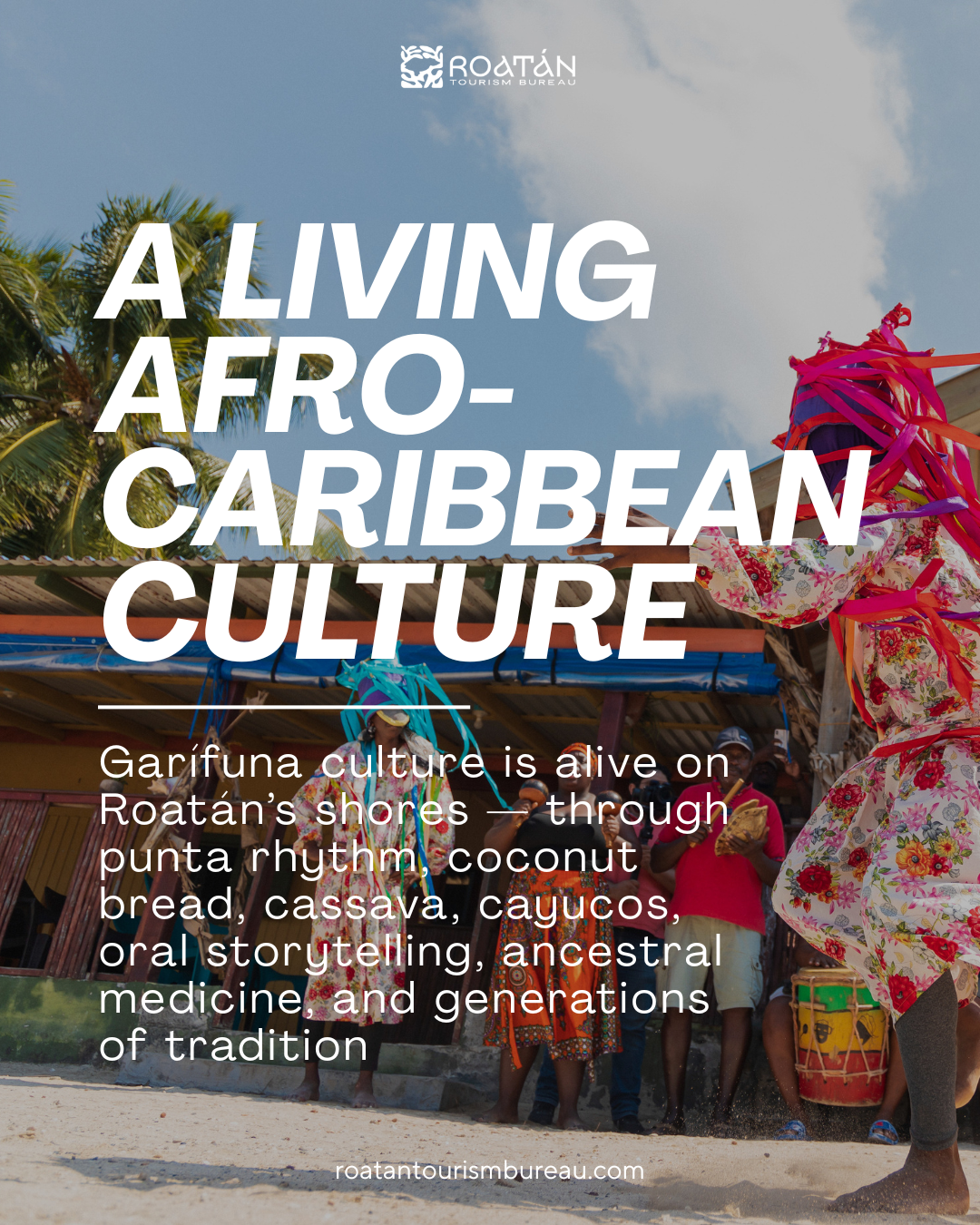
Research across the travel sector consistently shows that visitors are prioritizing local experiences over generic itineraries. Approximately 78% of travelers now say they actively seek authentic local culture when choosing destinations.
This demand is not limited to museums or historical tours. Cultural travel today means experiencing local food, listening to traditional music, participating in community-led activities, learning stories directly from residents, and understanding the rhythms of daily life.
At the same time, cultural immersion travel is growing significantly faster than traditional tourism segments. Travelers are increasingly willing to spend more money for experiences that feel genuine and personal.
The shift is especially noticeable among younger travelers, remote professionals, wellness seekers, and long-stay visitors who value emotional connection and meaningful memories over checklist tourism.
The Anti-Resort Movement and the Search for Meaning
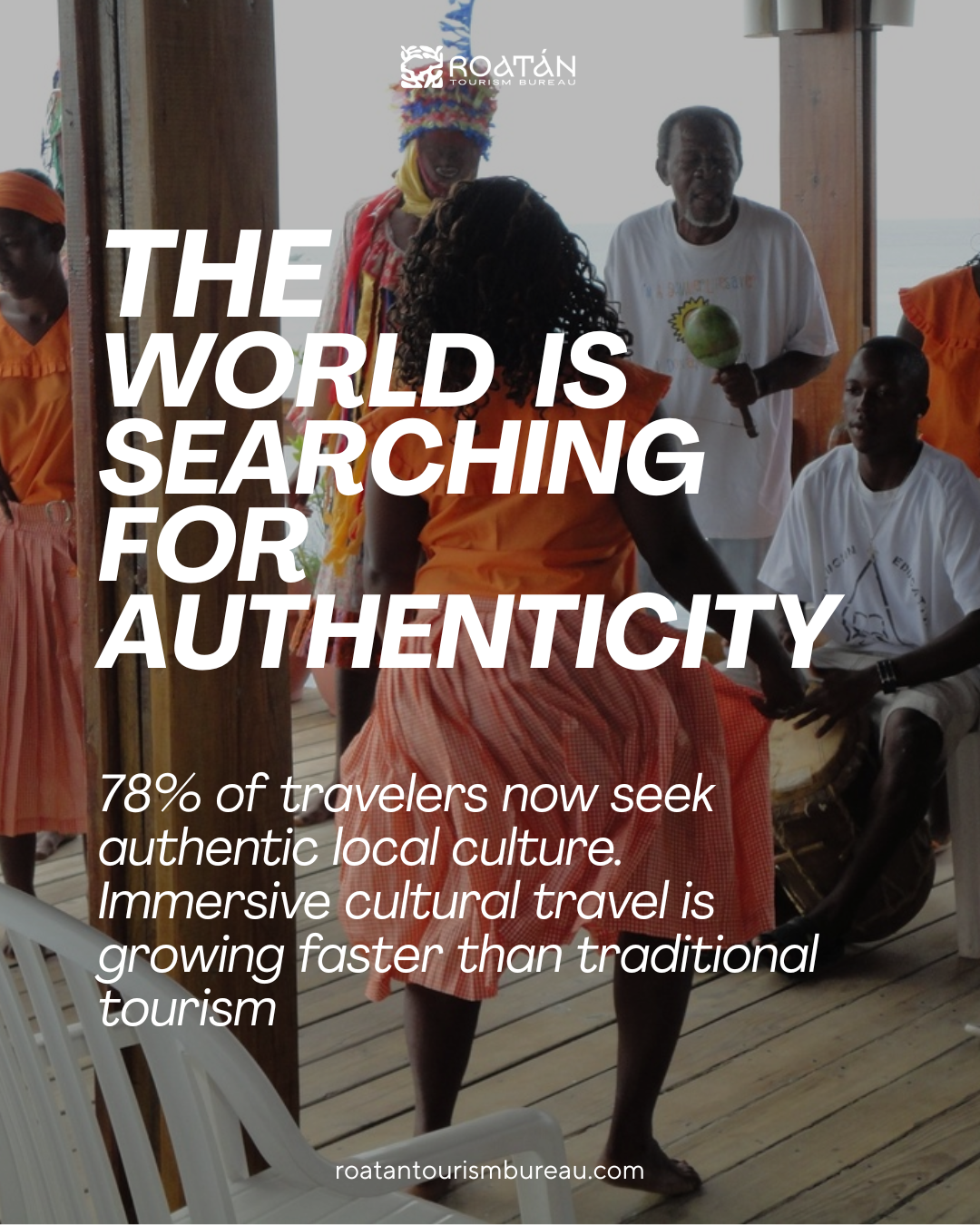
Another major trend shaping tourism is the gradual rejection of homogenized travel experiences. Many travelers are moving away from environments where every destination feels the same—identical restaurants, interchangeable resorts, and curated experiences disconnected from local reality. This growing “anti-resort” movement does not necessarily reject comfort or quality. Instead, it reflects a desire for travel that feels rooted in place.
Visitors increasingly want to leave destinations understanding something deeper than what appears on social media. This is partially driven by what many industry observers describe as “Instagram fatigue.” Travelers are becoming less interested in destinations chosen purely for visual appeal and more interested in experiences that offer emotional value, cultural depth, and a memorable story.
The modern traveler wants to return home feeling transformed rather than simply entertained. This creates a new opportunity for destinations capable of offering cultural richness alongside natural beauty.
Roatán’s Unfair Advantage: Garífuna Culture
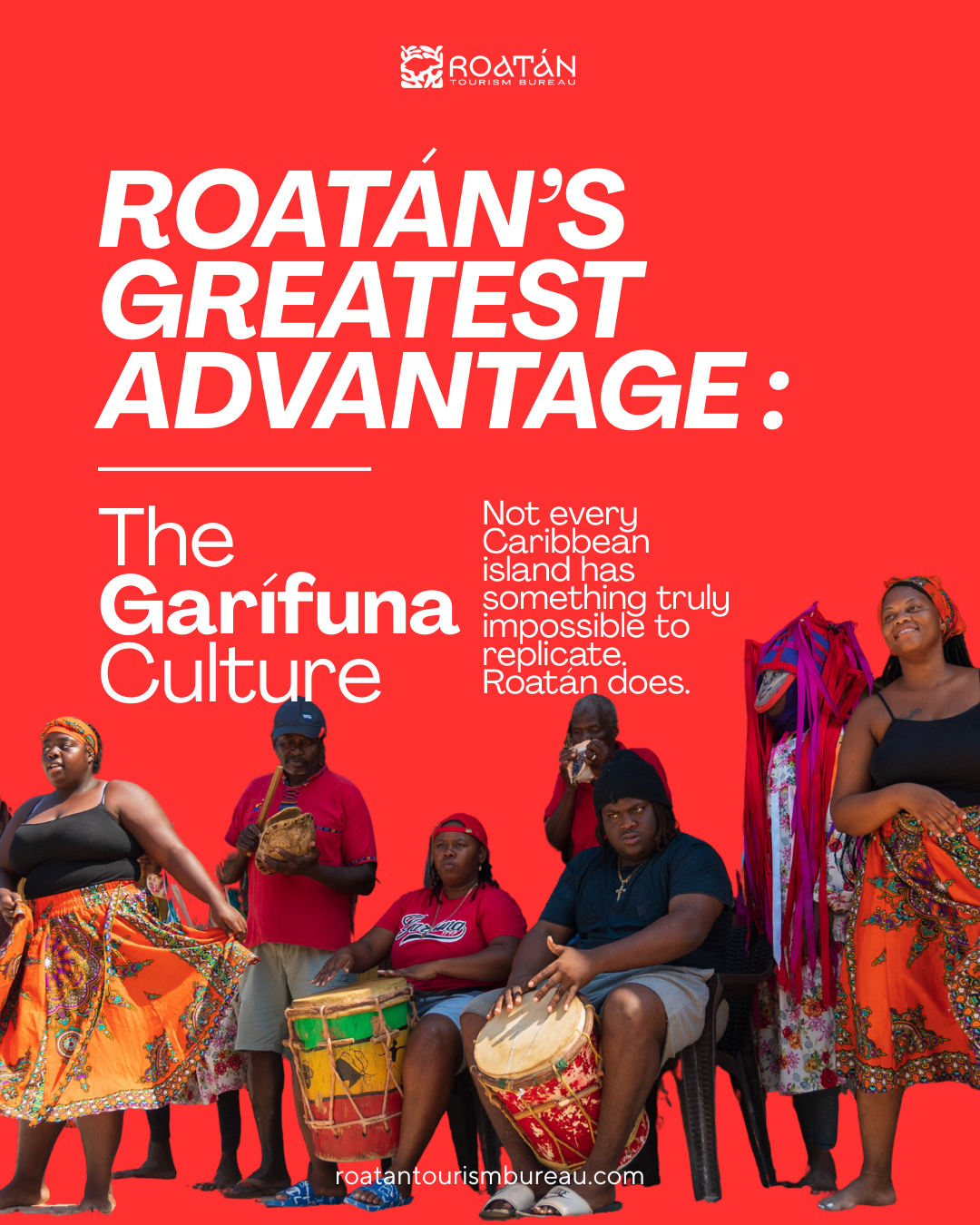
Roatán possesses a cultural asset that few Caribbean destinations can claim: the presence of Garífuna communities and traditions that remain alive, visible, and deeply connected to the island’s identity.
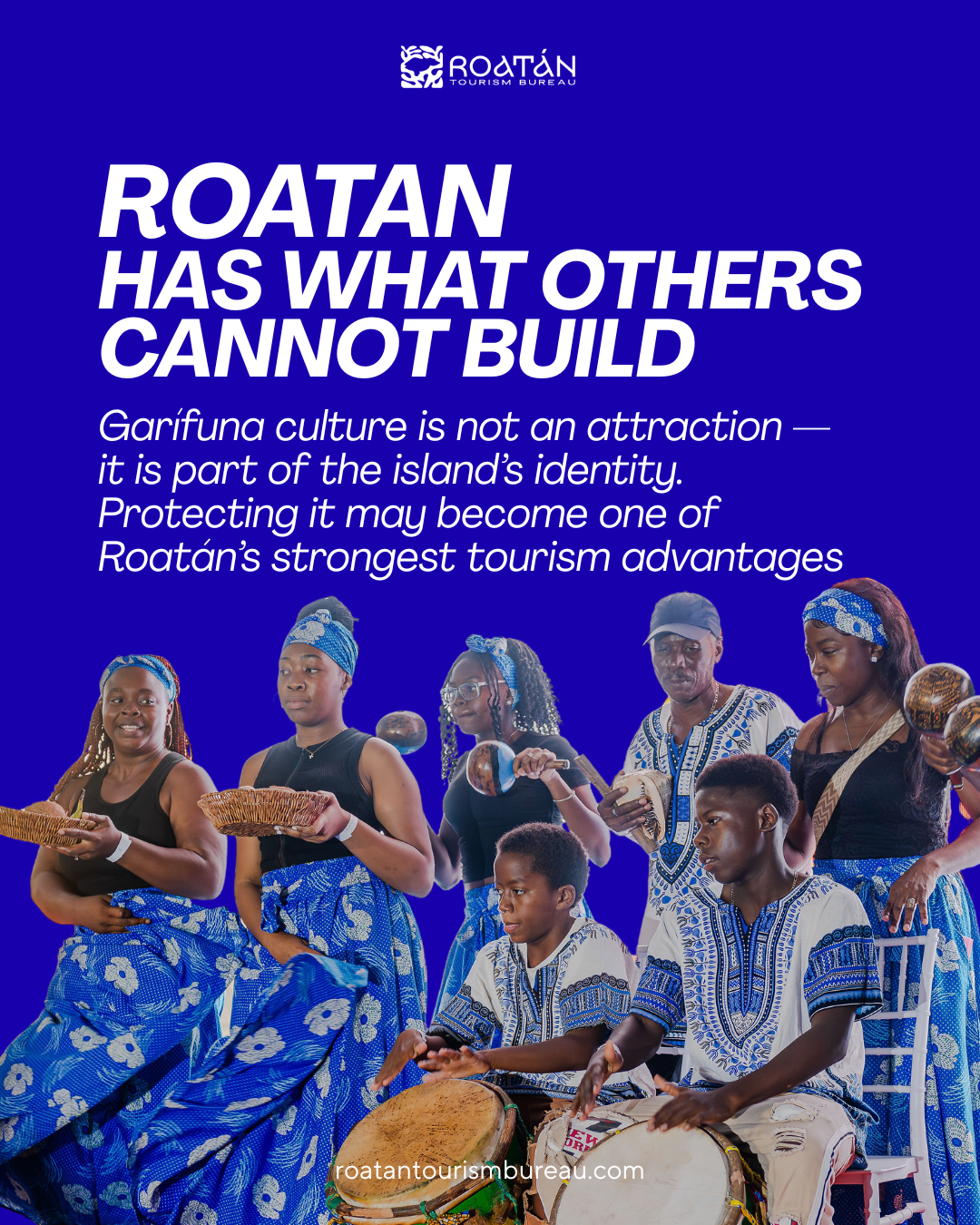
The Garífuna people represent one of the most distinctive Afro-Caribbean cultures in the world. Their heritage is not frozen in history—it exists in daily life, music, food, language, oral storytelling, spirituality, fishing traditions, and intergenerational knowledge.
This is not a performance created for visitors.
It is a living culture.
Across Roatán’s coastline, Garífuna identity can be experienced through the sound of punta rhythm, the preparation of cassava bread, coconut-based cuisine, traditional cayuco boats, ancestral healing practices, and stories passed orally across generations.
Unlike many destinations that rely heavily on imported tourism experiences, Roatán already has something original embedded within its social fabric.
This cultural presence is not simply valuable—it is irreplaceable.
Why Cultural Identity Matters More Than Ever
As competition between Caribbean destinations grows, differentiation becomes increasingly important.
Many islands offer similar climate conditions, beaches, marine environments, and luxury accommodations. While these remain important attractions, they are no longer enough to guarantee long-term positioning.
Cultural identity creates emotional memory. Travelers may forget where they stayed, but they remember how a destination made them feel. They remember the music they heard, the people they met, the food they tasted, and the stories they experienced.
Garífuna culture offers Roatán a level of authenticity that cannot be copied by neighboring destinations.
In an era where travelers increasingly seek meaningful experiences, this becomes a powerful tourism differentiator. It positions Roatán not simply as another Caribbean island, but as a place with a unique cultural narrative.
The Economic Value of Authentic Tourism
Authenticity is not only culturally valuable—it also carries economic value. Travelers who seek immersive experiences often spend more, stay longer, and contribute more directly to local communities.
Unlike mass tourism models that concentrate spending in large resorts or cruise infrastructure, cultural tourism distributes economic benefits more broadly. Local guides, musicians, artisans, chefs, storytellers, cultural organizations, and small businesses all become part of the visitor economy. This creates a tourism model that is not only more meaningful but potentially more sustainable.
By investing in cultural preservation and intentional storytelling, Roatán can strengthen both its tourism economy and its cultural resilience. Protecting culture becomes not only an ethical priority but also an economic strategy.
Protecting Garífuna Culture Is Essential
One of the greatest risks for destinations experiencing tourism growth is cultural dilution. As visitor numbers increase, local identity can sometimes become secondary to commercial convenience.
For Roatán, preserving Garífuna heritage is essential—not simply because it represents history, but because it defines what makes the island distinct. Cultural preservation requires intention. It means supporting local communities, amplifying authentic voices, investing in education, protecting traditions, and ensuring that tourism development does not erase the very elements that make a destination unique. Authenticity cannot survive if it becomes reduced to performance alone. The opportunity for Roatán is not to commercialize Garífuna culture, but to respectfully elevate it as a defining part of the island’s identity.
Roatán’s Future May Depend on Storytelling
Tourism is increasingly becoming a competition of narratives. Destinations no longer compete solely through infrastructure or natural beauty. They compete through identity. The places that stand out are those that understand who they are and communicate that story consistently.
Roatán has an opportunity to position itself not only as a beach destination, but as a place where visitors can experience something rare: a living Afro-Caribbean culture that remains deeply connected to the land, the sea, and the people who call the island home. This is a tourism advantage that cannot be replicated through construction, branding campaigns, or imported experiences. It already exists. The challenge now is to protect it, celebrate it, and share it intentionally.
Conclusion: Culture Is Roatán’s Strongest Differentiator
The future of tourism increasingly belongs to destinations that feel real. As travelers move away from standardized experiences and seek deeper connection, places with authentic cultural identity gain a competitive advantage.
Roatán’s Garífuna heritage represents more than tradition—it represents uniqueness in a crowded tourism market. In a world where travelers want meaning, memory, and belonging, Garífuna culture may become one of the island’s most valuable assets. Not only because it attracts visitors—but because it gives Roatán a story no other Caribbean destination can tell.